Septic Failures Announce Themselves in the Yard First
Full Septic Systems in North Bend for rural properties without sewer access and failing drainfields
GoodBoy Excavation & Plumbing installs and replaces complete septic systems for residential and light commercial properties in North Bend that rely on onsite wastewater treatment. When your drainfield is saturated and sewage is surfacing in the yard, or you are building on a lot without sewer access, you need a septic system that is sized correctly, installed to code, and designed for the soil and water table conditions on your property. This is not a repair job. It is excavation for the tank and drainfield, trenching for distribution lines, and backfilling and grading to ensure long-term drainage and system performance.
Septic system installations involve site evaluation, excavation to set the tank at the correct depth, trenching for the drainfield laterals, and placement of gravel and pipe to distribute effluent evenly across the field. The system must be sized to handle the daily wastewater load from the structure, and the drainfield must be located where soil percolation rates allow effluent to filter into the ground without ponding or runoff. On hillside properties or lots with high water tables, the design may require mounding, pump systems, or alternative drainfield layouts to meet health department requirements. The excavation must account for these conditions, and the installation must follow permit specifications exactly.
If your septic system is failing or you need a new system installed for a property without sewer access, contact GoodBoy Excavation & Plumbing to schedule a site evaluation and discuss the design and installation process.
System Longevity Depends on Correct Sizing and Drainfield Placement
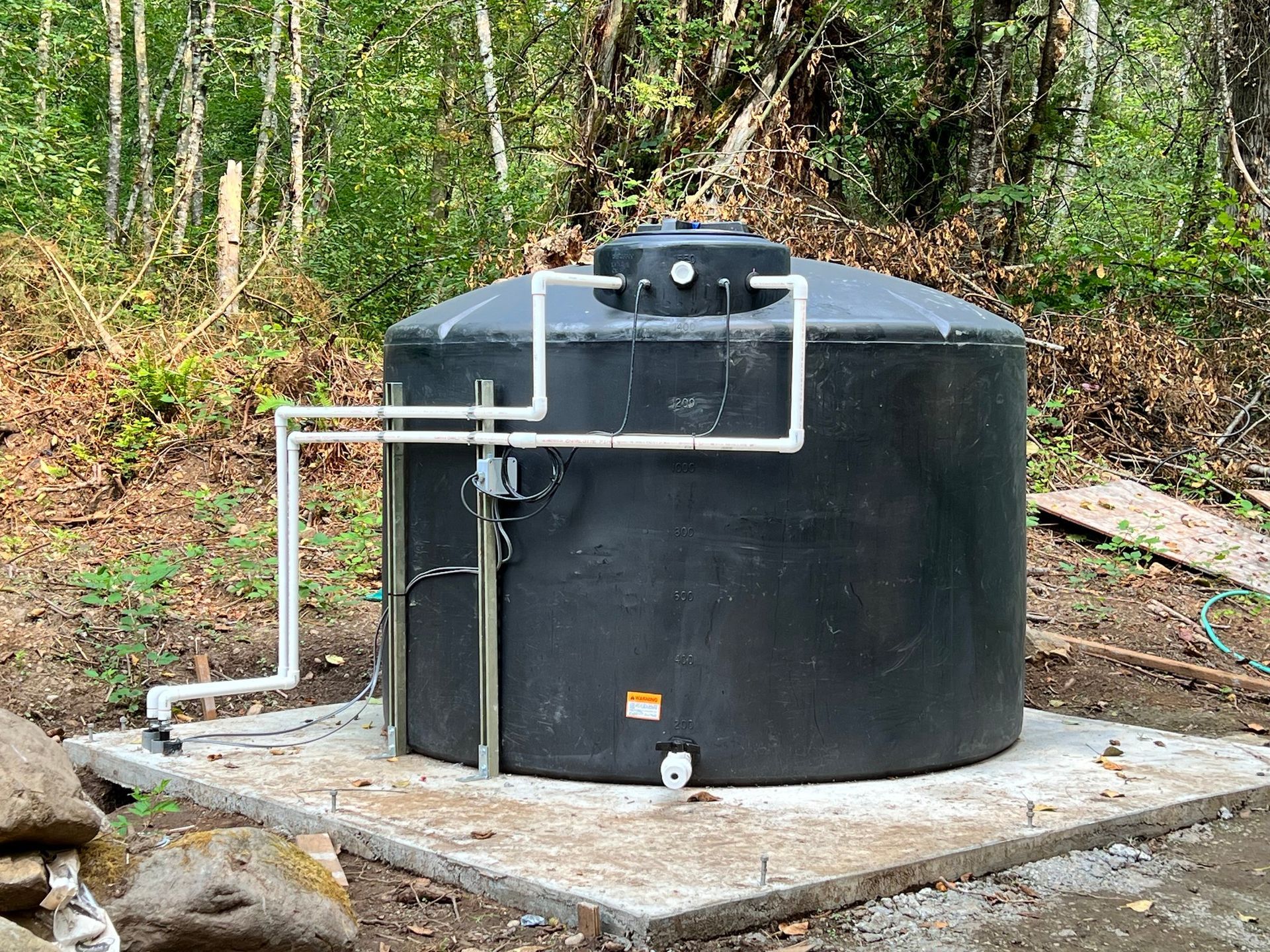
You will see the excavation begin with locating the tank and drainfield based on the approved site plan, followed by digging to the depth required for the tank inlet and outlet. The tank is set level, and the inlet and outlet pipes are connected and sealed. Drainfield trenches are excavated to the specified depth and width, then filled with gravel and perforated distribution pipe. The system is backfilled carefully to avoid damaging pipes or shifting the tank, and the site is graded to direct surface water away from the drainfield.
After the system is installed and inspected, you will notice that wastewater drains normally from the house, the yard stays dry, and there are no odors or wet spots over the drainfield. The system handles daily use without backups or surfacing, and the drainfield absorbs effluent as designed. GoodBoy Excavation & Plumbing coordinates excavation, installation, and inspection scheduling so the system is completed correctly and passes all required inspections before the site is restored.
The work includes site evaluation, excavation for tank and drainfield, installation of tank and distribution system, backfilling and grading, and coordination with health department inspections. It does not include ongoing maintenance, pumping schedules, or landscaping restoration unless specified. Flexible payment options are available for full system installations.
Questions About Septic System Installation and Requirements
Property owners often ask about system sizing, drainfield placement, and what happens when soil conditions are challenging. Here are answers to the most common concerns.
What determines septic system size? The number of bedrooms in the home, the daily wastewater volume, and local health department requirements all affect tank size and drainfield area, with larger homes requiring larger systems.
How deep does the septic tank need to be? The tank inlet must align with the house sewer line, and the outlet must be at the correct elevation to allow gravity flow to the drainfield, with excavation depth adjusted to meet these requirements.
When is a pump system required instead of gravity? If the drainfield must be uphill from the tank or if soil conditions require an alternative system design, a pump is installed to move effluent to the drainfield at the correct rate.
Why does soil type matter for drainfield design? Soil percolation rates determine how quickly effluent filters into the ground, with sandy soils draining fast and clay soils draining slowly, which affects the size and layout of the drainfield.
How long does a septic system installation take in North Bend? Most residential installations take several days, with the timeline depending on soil conditions, site access, weather, and the complexity of the system design.
GoodBoy Excavation & Plumbing is licensed, bonded, and insured for septic system installations on rural and large-lot properties throughout the North Bend area. If you need a new system or a full replacement, reach out to discuss your property and the design and excavation work involved.