Stop Soil Movement Before It Reshapes Your Yard
Retaining Walls in North Bend for sloped properties losing soil and usable space
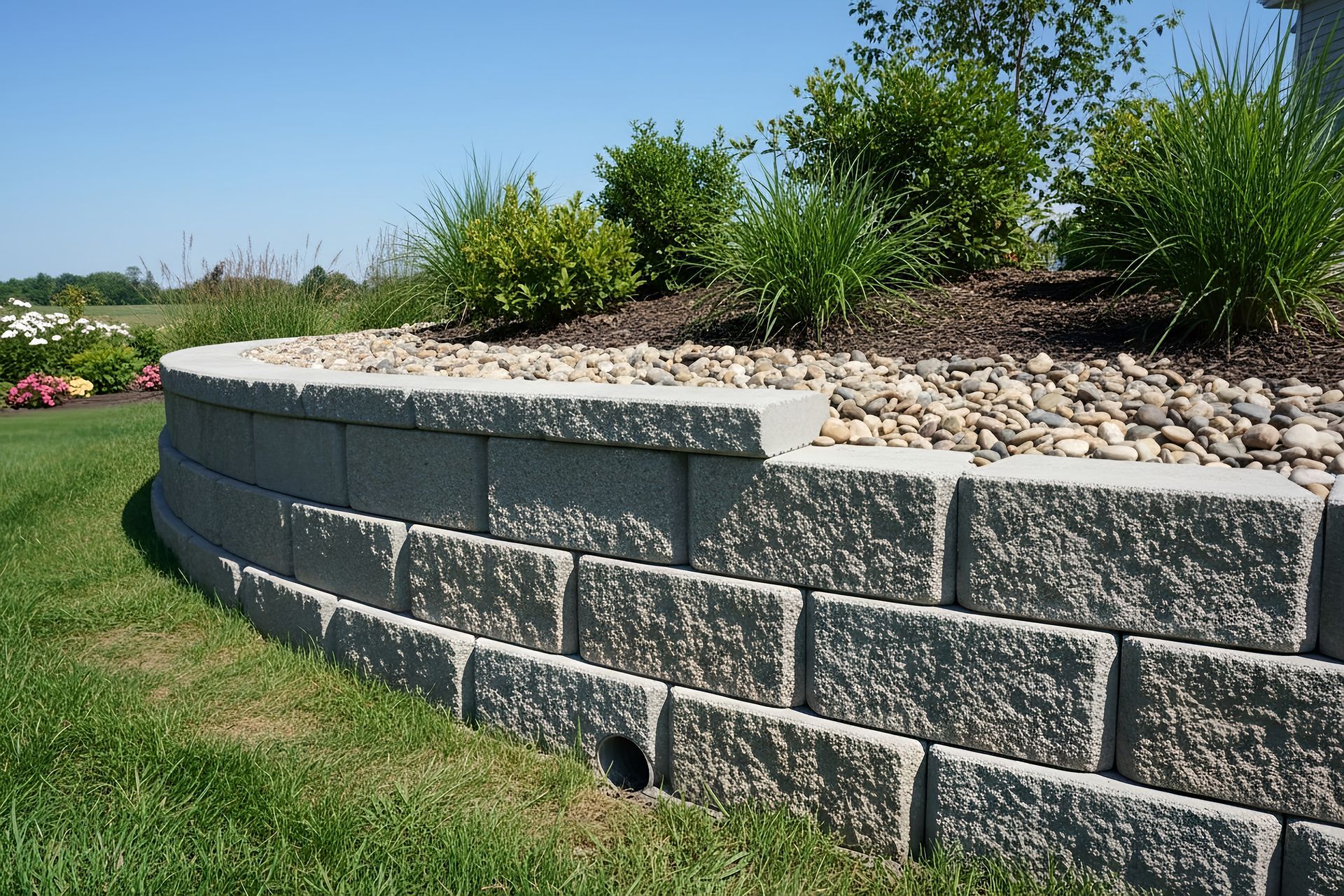
GoodBoy Excavation & Plumbing provides excavation and structural preparation for retaining walls that control soil movement and prevent erosion on residential and commercial properties in North Bend. When your hillside is shedding dirt after every heavy rain or your driveway edge is crumbling into the slope below, you need more than cosmetic repair. You need excavation deep enough to anchor the base, backfill compacted to prevent shifting, and a drainage system that keeps hydrostatic pressure from pushing the wall forward over time.
Retaining walls serve both structural and aesthetic purposes, but the structural work happens below grade. The excavation establishes the footing depth required to support the load, and the drainage layer behind the wall keeps water from building up and exerting force that can cause bulging or collapse. In areas with consistent rainfall and clay-heavy soils, this drainage work is not optional. Without it, the wall holds until the first sustained storm, then fails from behind. Whether you are reclaiming a hillside for a backyard patio, securing a commercial parking lot from downslope movement, or stabilizing a driveway that is losing ground at the edge, the excavation and base prep determine how long the wall lasts.
If your property has slopes that are washing out or you need to add usable space where the ground drops off, contact GoodBoy Excavation & Plumbing to assess the site and plan the structural preparation.
What Happens Below Grade Determines Long-Term Stability
You will see the excavation reach below the frost line and into stable soil before any wall material goes in. The trench width accommodates the footer or base course, and the depth follows the height of the planned wall and the load it will carry. For taller walls or those retaining steep slopes, the base must be wider and deeper to resist the lateral force pushing from behind. Compacted gravel goes in behind the wall as backfill, and perforated drain pipe runs along the footer to channel water away from the structure.
After the wall is built and backfilled, you will notice that runoff no longer carves channels down the slope and that the soil behind the wall stays in place through wet months. The graded area in front of the wall becomes usable space where before there was only angled ground. GoodBoy Excavation & Plumbing coordinates the excavation, drainage installation, and site grading so that the wall integrates with your property's overall water management and does not create new erosion points downhill.
The work includes removal of unsuitable soil, placement of structural base material, installation of drainage systems, and compaction of backfill layers. It does not include decorative stone facing, cap installation, or landscaping above the wall unless specified during planning. The timeline depends on wall length, height, soil conditions, and whether the site requires access clearing or utility avoidance.
Common Questions About Retaining Wall Preparation
Homeowners and property managers often ask about the excavation process, drainage requirements, and how soil type affects the build. Here are answers to the most frequent concerns.
What determines how deep the excavation needs to go? The height of the wall, the weight of the soil it will hold, and the frost line in North Bend all affect footing depth, with taller walls requiring deeper and wider bases to resist lateral pressure.
How does drainage behind the wall prevent failure? Perforated pipe and gravel backfill allow water to drain down and away instead of building pressure against the wall, which reduces the risk of bulging or cracking over time.
When is a retaining wall necessary instead of regrading? You need a wall when the slope is too steep to hold soil on its own, when you want to create level space on a hillside, or when erosion is actively moving soil off your property.
Why does soil type matter for wall construction? Clay soils hold water and increase pressure behind the wall, while sandy or rocky soils drain faster but may require different compaction methods to prevent settling.
How long does a properly built retaining wall last? With correct excavation, drainage, and backfill, a wall can last decades, but neglecting the drainage layer or using inadequate base prep shortens that significantly.
GoodBoy Excavation & Plumbing is licensed and insured for both residential and commercial retaining wall projects throughout the North Bend area. If your property has slopes that are eroding or you need to create level ground where none exists, reach out to discuss your site conditions and the excavation work required.