Keep Stormwater Where It Belongs During Heavy Rain
Retention Ponds in North Bend for properties managing high-volume runoff and drainage compliance
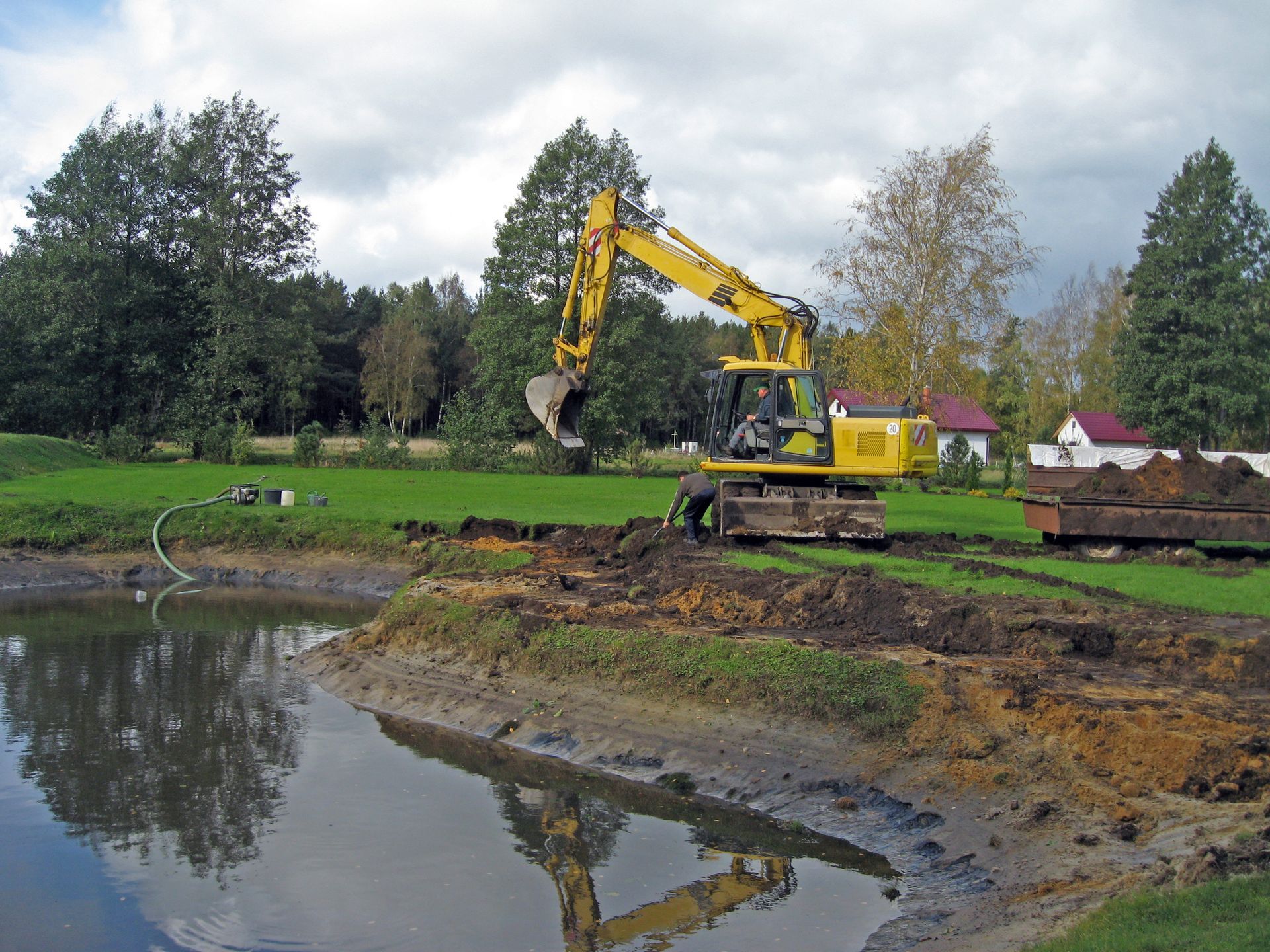
GoodBoy Excavation & Plumbing excavates and develops retention ponds for residential and commercial properties in North Bend that need to capture and control stormwater runoff before it leaves the site. When your development plan requires onsite water management or your property floods because runoff has nowhere to go, a retention pond provides a low point where water can collect, settle, and either infiltrate or discharge at a controlled rate. This is not decorative water feature work. It is excavation to a specified depth and volume, grading to direct flow into the basin, and coordination with drainage systems that tie into the pond.
Retention ponds are often required for new commercial developments, large residential lots, and properties adjacent to agricultural land where stormwater regulations are strict. In areas with high annual rainfall, the pond must be sized to handle peak flow events without overtopping or eroding the basin walls. The excavation removes soil to create the volume needed, and the perimeter is graded to prevent erosion and maintain structural integrity. Inlet and outlet structures control where water enters and exits, and the bottom may be lined or left natural depending on soil permeability and regulatory requirements. The goal is to keep runoff from overwhelming downstream drainage systems or neighboring properties.
If you are developing a site that requires stormwater management or your property is subject to pooling and runoff problems, contact GoodBoy Excavation & Plumbing for a consultation on pond design and excavation.
Pond Function Depends on Volume, Grading, and Outlet Control
You will see excavation begin with clearing and rough grading to establish the pond footprint, followed by deeper cuts to reach the volume required by your stormwater plan. The basin is shaped with sloped sides to prevent collapse and allow maintenance access. Excavated material is typically used to build berms or grade surrounding areas unless it is unsuitable or excess. Inlet pipes or swales direct runoff into the pond, and an outlet structure controls the release rate to prevent downstream flooding.
After the pond is complete and functional, you will notice that water collects in the basin during storms instead of running off your property or pooling in unwanted areas. Sediment settles in the pond rather than clogging downstream pipes, and the controlled discharge keeps flow rates within limits set by local regulations. GoodBoy Excavation & Plumbing coordinates excavation with grading and drainage systems so the pond integrates with your site layout and meets the performance requirements in your permit.
The work includes site clearing, excavation to design depth and volume, grading of basin walls and surrounding areas, and placement of inlet and outlet structures. It does not include pond lining, vegetation planting, or long-term sediment removal unless specified. The timeline depends on pond size, soil conditions, and whether the site requires dewatering or access improvements.
Questions About Retention Pond Excavation and Function
Property owners and developers often ask about pond sizing, maintenance, and how the pond interacts with other site systems. Here are answers to the most common concerns.
What determines the size and depth of a retention pond? The pond must hold the volume of runoff generated by your site during a design storm event, which is calculated based on lot size, impervious surface area, and local rainfall intensity.
How does a retention pond differ from a detention pond? Retention ponds hold water permanently or until it infiltrates, while detention ponds temporarily store water and release it at a controlled rate, though the terms are sometimes used interchangeably depending on jurisdiction.
When is a retention pond required for a project in North Bend? Most new commercial developments and large residential subdivisions require onsite stormwater management, and retention ponds are a common solution when space allows and soil conditions support infiltration or controlled discharge.
Why does the outlet structure matter? The outlet controls how fast water leaves the pond, preventing downstream flooding and ensuring that the pond does not empty too quickly and fail to provide the detention time required by your permit.
How often does a retention pond need maintenance? Sediment accumulates over time and must be removed periodically to maintain storage volume, and inlet and outlet structures should be inspected annually to ensure they are not clogged or damaged.
GoodBoy Excavation & Plumbing has experience excavating retention ponds on large-lot residential properties and commercial sites throughout the North Bend area. If your project requires stormwater management or you need to address runoff problems on your property, reach out to discuss your site and the excavation work involved.