Utility Access Determines What You Can Build Next
Utilities in North Bend for new construction sites needing water, sewer, septic, wells, and power trenching
GoodBoy Excavation & Plumbing installs utility infrastructure for residential and commercial properties in North Bend, including septic tanks, city sewer tie-ins, well systems, city water lines, and electrical conduit trenching. When you are building on a vacant lot or redeveloping a site, the first question is where water, sewer, and power will come from. If city utilities are available, that means trenching from the street to the structure and coordinating tie-ins with the municipality. If they are not, that means installing a septic system and well, then trenching for the lines that bring water in and carry waste out. Either way, you need excavation that is deep enough to meet code, accurate enough to avoid existing utilities, and coordinated with inspections at each stage.
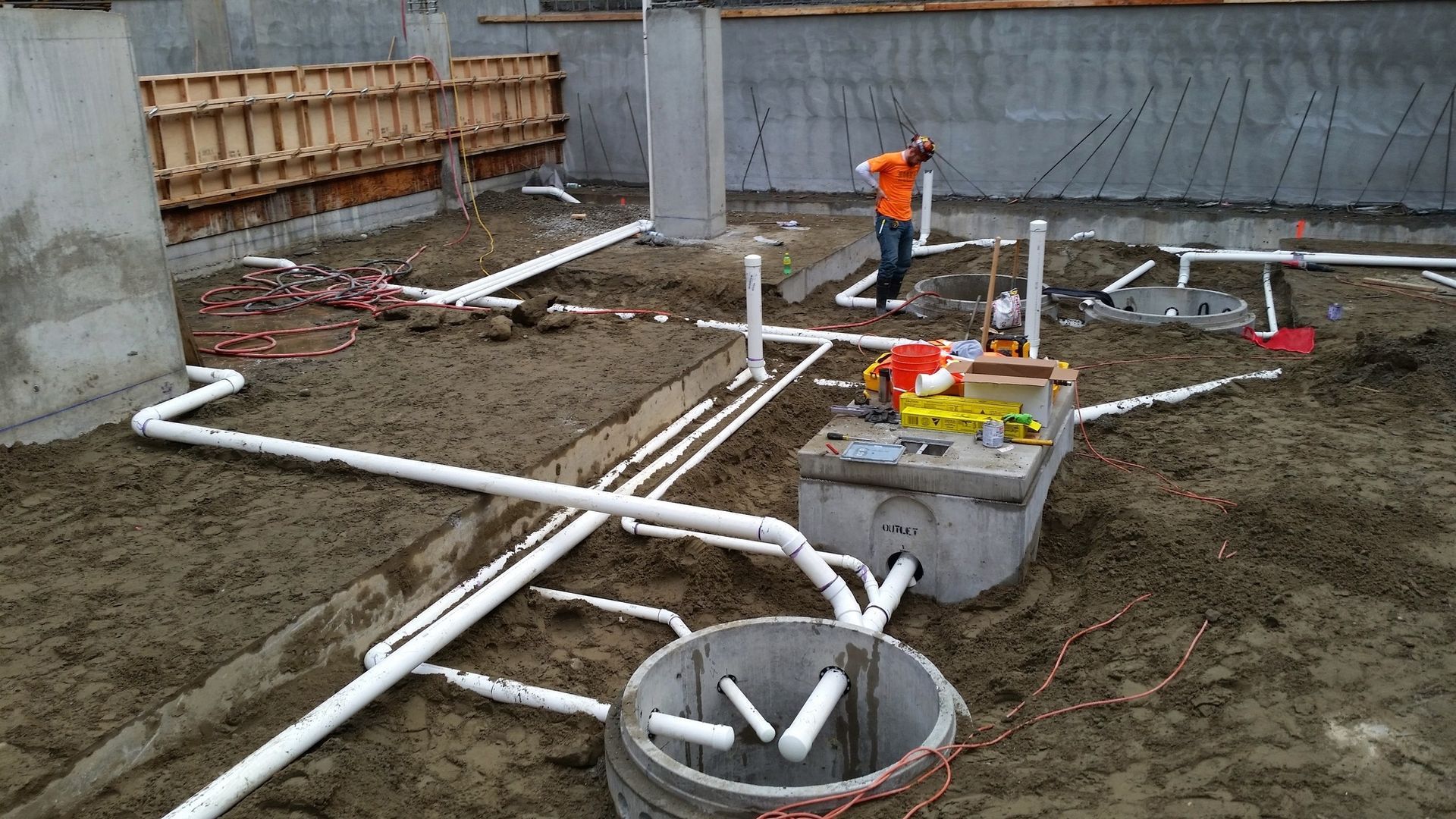
Utility installation work includes trenching for water service laterals, sewer laterals, septic systems, well pump lines, and electrical conduit that runs underground to the structure or between buildings on a commercial site. The trenches must be dug to the correct depth and slope, with bedding material placed under pipes to prevent settling or breakage. When tying into city utilities, the connection point is located, the trench is dug to reach it, and the new line is connected and pressure tested or inspected before backfill. When installing private systems, the well or septic system is set first, then lines are trenched to the structure and connected. The excavation must avoid conflicts with existing utilities, stay within easements, and follow permit requirements.
If you are developing a property and need utility infrastructure installed, contact GoodBoy Excavation & Plumbing for an estimate and a breakdown of the work required for your site.
Accurate Trenching and Coordination Prevent Delays and Damage
You will see the crew locate existing utilities before digging, then trench to the depth and slope required by code for each utility type. Water lines are bedded in sand or gravel to protect them from rocks and settling, and sewer lines are sloped to allow gravity flow toward the main or septic tank. Electrical conduit is trenched to the depth required by electrical code, with warning tape placed above the conduit before backfill. Each trench is inspected before backfill, and connections are tested to confirm they are secure and functional.
After the utilities are installed and backfilled, you will notice that water flows to the structure, waste drains away, and power reaches the building without surface equipment or temporary connections. The trenches are compacted and graded to match surrounding areas, and the site is ready for the next phase of construction. GoodBoy Excavation & Plumbing coordinates trenching with site prep and building schedules so utility installation does not delay other trades or require rework.
The work includes utility location, trenching, pipe and conduit installation, connection to municipal or private systems, backfilling, and compaction. It does not include well drilling, electrical wiring inside conduit, or paving over trenches unless specified. Free estimates are provided before project start.
Common Utility Installation Questions From Property Owners
Clients often ask about trenching depth, connection procedures, and how long utility installations take. Here are answers to the most frequent concerns.
What depth is required for water and sewer lines? Water lines must be trenched below the frost line to prevent freezing, typically three feet or more in North Bend, and sewer lines are sloped at one-quarter inch per foot to allow gravity drainage.
How does a city sewer tie-in differ from a septic install? A city tie-in requires trenching to the municipal main, obtaining a connection permit, and coordinating inspection with the city, while a septic install involves setting a tank and drainfield on your property and does not connect to city infrastructure.
When is a well system necessary instead of city water? If city water is not available at your property or the connection cost is prohibitive, a well provides a private water source, with trenching required to run the well line from the wellhead to the structure.
Why is electrical conduit trenched separately from plumbing? Electrical code requires conduit to be buried at a specific depth and separated from water and sewer lines to prevent interference and allow for future maintenance without excavating other utilities.
How long does utility installation take for a new build in North Bend? The timeline depends on the number of utilities, trench length, soil conditions, and whether connections are municipal or private, with most residential projects taking several days to a week for trenching and connection work.
GoodBoy Excavation & Plumbing is licensed and insured for utility installations on residential and commercial sites throughout the North Bend area. If your project requires water, sewer, septic, or electrical trenching, reach out to discuss your site and get a detailed estimate before excavation begins.