Stop Running Out of Hot Water
Hot Water Heaters in Issaquah for system failures, capacity shortages, and energy efficiency upgrades
GoodBoy Excavation & Plumbing installs and replaces hot water heaters for residential and commercial properties throughout Issaquah, including tankless systems, traditional storage tanks, and domestic high-efficiency boilers. You need this service when your current unit leaks, when recovery time stretches beyond twenty minutes, or when you are converting from electric to gas as part of a whole-home energy upgrade. The work involves removing the old heater, sizing the replacement for actual demand, running new gas lines or electrical circuits if required, and setting the unit to deliver consistent temperature without scalding or running cold mid-shower.
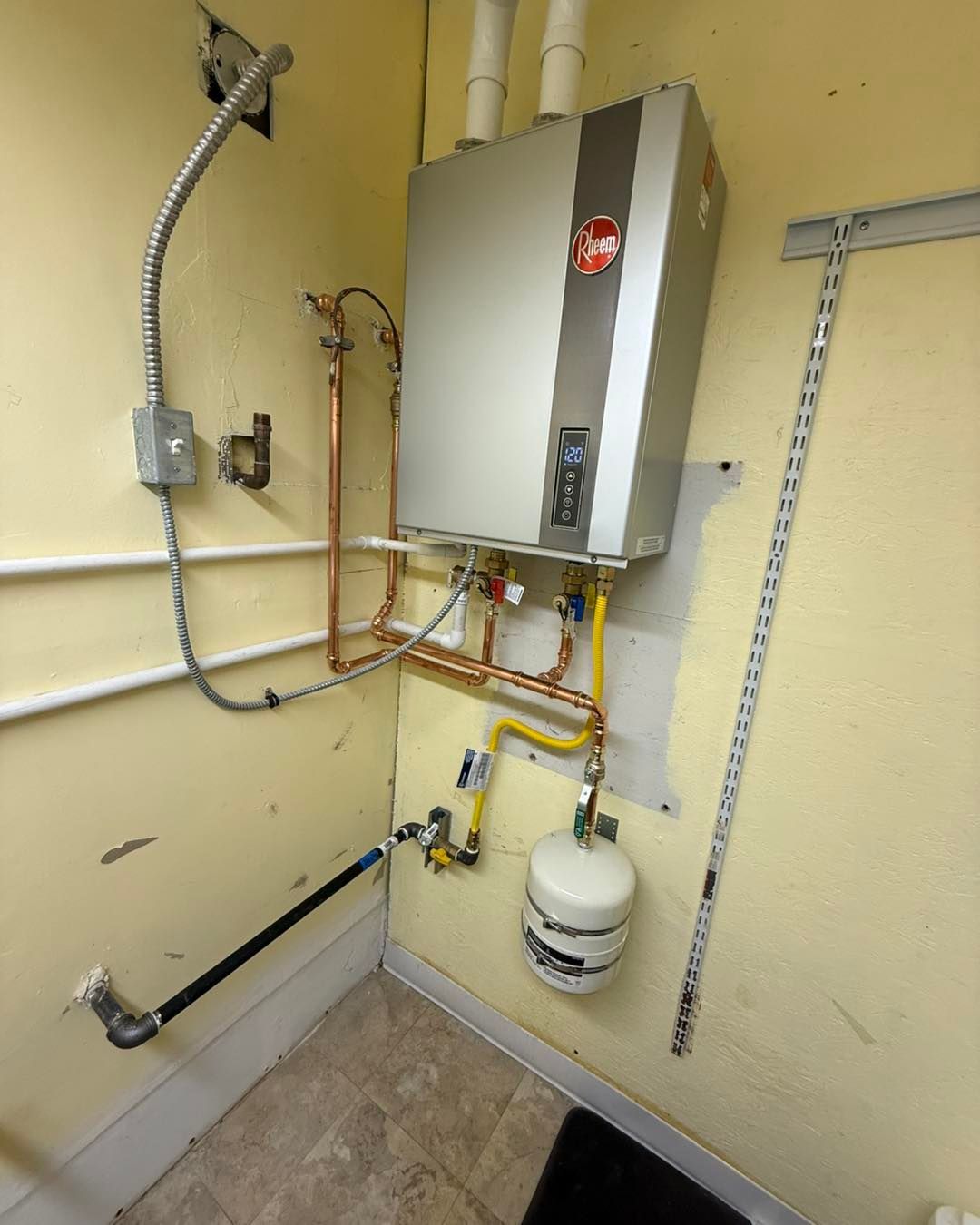
The service addresses inadequate capacity, aging tanks with sediment buildup, and outdated technology that wastes energy and space. Tankless units mount on walls and heat water on demand, while high-efficiency storage tanks recover faster and insulate better than older models. Installation is completed by licensed plumbing professionals who verify gas pressure, check electrical load, and confirm venting routes comply with current mechanical code. For properties on well systems or with hard water, expansion tanks and sediment filters are often added to extend equipment life and prevent pressure spikes.
If your water heater is over ten years old or showing signs of failure in Issaquah, schedule a free estimate to review replacement options and available rebates before the unit quits completely.
What You Gain With a New System
Once the new hot water heater is installed and tested, you will notice faster recovery, stable temperature at every fixture, and lower monthly utility costs if you moved to a high-efficiency or tankless model. GoodBoy Excavation & Plumbing sets the thermostat to prevent scalding, installs code-required pressure relief valves, and labels all shutoff points so you can isolate the system during maintenance or emergencies.
The process includes disconnecting gas, water, and electrical connections from the old unit, draining and removing it, positioning the new heater on a code-compliant platform or wall bracket, connecting supply and return lines with dielectric unions or flexible connectors, routing exhaust vent through an approved penetration, and filling the tank while purging air from the lines. For tankless installations, gas line sizing is recalculated to meet the higher BTU demand, and electrical circuits are added for ignition and control boards. Payment plans are available for equipment upgrades, and discounts apply for seniors, military, first responders, and educators. What is not included is structural reinforcement for floor or wall mounting, permit fees charged by the local building department, or repairs to water damage caused by the previous unit.
You end up with reliable hot water delivery matched to your household size, code-compliant installation that passes inspection, and a system designed for years of consistent performance.
Common Questions About Water Heater Replacement
Homeowners and building managers in Issaquah typically want to know about sizing, fuel type, and whether their existing connections will support the new equipment.
What size water heater do I need for a four-bedroom home? Most homes with two bathrooms and standard appliances perform well with a fifty-gallon storage tank or a tankless unit rated for six to eight gallons per minute, depending on simultaneous demand.
How does a tankless system differ from a storage tank? A tankless heater fires only when you open a hot tap, delivering endless supply but requiring larger gas lines and electrical support, while a storage tank keeps a reserve heated at all times and recovers within an hour after depletion.
When should I replace instead of repair my water heater? If the unit is over twelve years old, leaking from the tank body, or requiring frequent thermostat or element replacement, GoodBoy typically recommends replacement over continued repair investment.
Why do some installations require a new gas line in Issaquah? Tankless heaters demand higher BTU input than storage tanks, often exceeding what a half-inch line can deliver, so GoodBoy runs three-quarter-inch black iron or CSST from the meter to meet manufacturer specifications.
What happens to my old water heater after removal? GoodBoy hauls the old unit off site, drains remaining water, and recycles steel and copper components according to local disposal regulations.
If your morning showers are running cold, your utility bills are climbing, or your water heater is approaching the end of its rated life, contact GoodBoy Excavation & Plumbing to schedule a free estimate and discuss energy-efficient replacement options suited to your property and usage patterns.